Seat classes, booking options and the rain rule
Ramayana Ballet tickets: which seat
VIP, Special, Class I or II, ticket only or with a hotel transfer: how to choose a Ramayana Ballet ticket at Prambanan, checked against the operator's pages.
Check dates and availability ↗Quick answer
For most first-time visitors staying in central Yogyakarta, a Class I seat with a hotel transfer is the sensible middle choice: a good view, and the late ride back from Prambanan is already settled. Pick Special or VIP if you want a numbered seat close to the dancers, and ticket only if you already have a driver. The Ramayana runs on Tuesday, Thursday and Saturday at 19:30, outdoors from May to October and indoors from November to April.
Three ways to book a Ramayana Ballet seat
| Ticket only | With hotel transfer | Operator's own site | |
|---|---|---|---|
| Seat classes | Class II, Class I, Special | Class II up to VIP | All four classes |
| Getting there | You arrange it | Private car from your hotel | You arrange it |
| At the theatre | Guide meets you | Guide meets you | You validate your ticket |
| Cancellation | Free up to 24 h before | Free up to 24 h before | Operator's terms |
| Best for | Having your own driver | A settled ride home | VIP without a car |
Four seat classes, one show
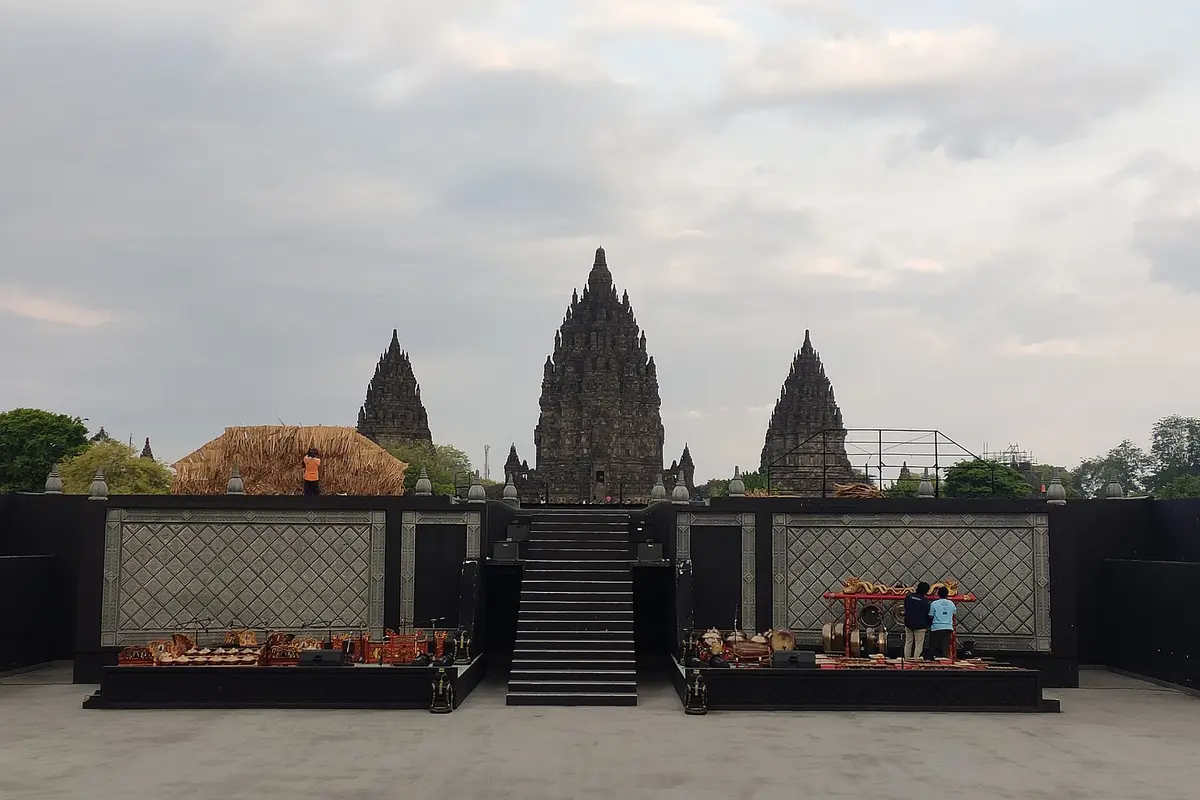
On the open-air stage the operator sells four seat classes. VIP and Special are numbered seats: VIP comes with a soft drink and traditional snacks, Special with a soft drink. Class I and Class II are unnumbered, so you sit anywhere within your section. Every class watches the same performance, with the same dancers, the same live gamelan orchestra and the same lit temples behind the stage. What you pay more for is a closer view, a seat with your number on it and the small extras.
- VIP: numbered seat, soft drink and traditional snacks
- Special: numbered seat and a soft drink
- Class I and Class II: unnumbered sections, Class I with the better view
How to choose your class
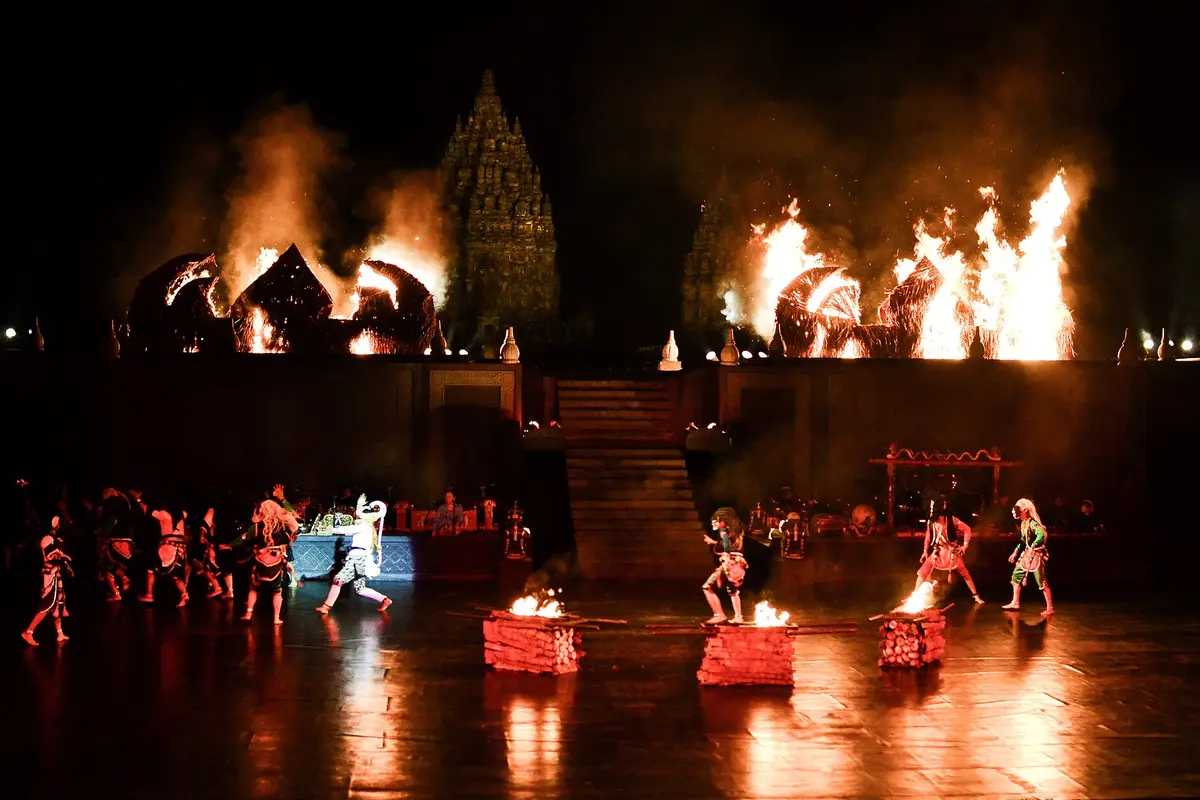
Start with what you want to see. Javanese dance lives in small things: the angle of a hand, a glance, the detail of a costume. A closer seat in Special or VIP rewards that, and it helps with photos. If the big picture is the point, the fire scenes, the crowded battles and the temples lit up behind, Class I and Class II still give you all of it. Then think about arrival. The operator recommends arriving 30 to 45 minutes before the start, and in an unnumbered section that early arrival also decides where you sit.
What each booking option includes
The booking on this site is run by a local provider, Janayu Tour, and comes in three shapes. Ticket-only options cover Class II, Class I or Special: you meet the provider's guide next to the Ramayana Ballet sign at the theatre, and the guide handles your ticket, so you don't queue at the ticket counter. Transfer options add a private car from your hotel in Yogyakarta and back, in any class from Class II up to VIP. The third shape is an afternoon tour: a guided visit to Prambanan Temple, then the ballet in Class II, with hotel transfers both ways.
- Every option: show ticket, English-speaking guide, free cancellation up to 24 hours before
- Your meeting or pickup time is in the booking calendar and your confirmation
- Groups are limited to 10 participants
Ticket only or with a transfer?
This is the real decision, and it's about the trip home, not the seat. The operator puts the theatre about 17.6 km from Yogyakarta city, and the show ends after Trans Jogja's city buses have stopped for the night. If you already have a driver for the day, or you're staying near Prambanan, ticket only is all you need. If you're staying in central Yogyakarta without your own transport, a transfer option means your ride back is booked before you leave, instead of being sorted out in the dark alongside everyone else leaving the theatre.
Read next: Ramayana Ballet night: getting there
The temple and ballet tour
If you haven't seen Prambanan Temple yet, the afternoon tour combines both: a mid-afternoon hotel pickup, a guided visit of about two hours around the temples, then the ballet in Class II, and back to your hotel in the evening. One detail catches people out. The temple entry ticket isn't included in this option; you pay it on site or add it during booking. The ballet ticket and the temple ticket are separate admissions, so a ballet-only booking doesn't get you into the temple compound by day, and a temple ticket doesn't get you into the show.
Booking direct with the operator
The theatre's operator, InJourney Destination Management, sells the Ramayana on its official ticket site in all four classes, including VIP without a car. Booking direct suits you if you want to pick your exact class, have your own transport and are happy to find the entrance and validate your ticket yourself. What you don't get is a guide at the theatre, a car home or the free cancellation described above; the operator's own terms apply instead. Whichever way you book, the operator advises arriving 30 to 45 minutes early and warns that late arrivals may have limited access.
Indoor season: what changes
From November to April the Ramayana moves to the covered Trimurti theatre nearby. The dancers and the live gamelan stay; the temple backdrop doesn't. The operator lists one class for the indoor theatre, Special, with numbered seats and a soft drink, while this booking still offers Class I and Class II on indoor-season dates. If your date falls in those months, ask the provider after booking how your seat is allocated indoors. From January to April the operator also adds an earlier, shorter Saturday show outdoors on the Amphi Theatre, danced to recorded music rather than live gamelan.
Rain, cancellation and refunds
Two sets of rules apply. This booking can be cancelled for a full refund up to 24 hours before, and you can reserve now and pay later. On the night, the operator's weather rule takes over. If it rains before the start, an open-air show moves to the indoor Trimurti theatre and goes ahead there. If rain stops the show after it has run for 45 minutes or more, the operator counts the performance as completed and issues no refund. Booking a date in the dry months lowers the odds of rain, but nobody can promise a dry night.
Which night, and what not to mix up
The Ramayana runs on Tuesday, Thursday and Saturday, starting at 19:30, and the operator's schedule gives it about 90 minutes. Fix your Ramayana night first and plan the rest of your Yogyakarta days around it. On Fridays the operator stages a different and shorter dance-drama in the Trimurti theatre: Roro Jonggrang, the legend tied to Prambanan's temples. It's a perfectly good evening, but it isn't the Ramayana, so check the show name before you pay on any site. The operator notes that its schedule can change without notice, so your confirmation has the final word.
Who this isn't for
If your days in Yogyakarta don't include a Tuesday, Thursday or Saturday, this show won't fit; the Ramayana is also staged as wayang wong at Purawisata in central Yogyakarta, on many more nights. This booking isn't suitable for people with heart problems. If you want VIP but don't need a car, book VIP direct with the operator instead. And if the floodlit temples behind the dancers are the whole reason you're going, a date between November and April will disappoint you, however good the indoor show is.
Frequently asked questions
Which seat class is best for the Ramayana Ballet?
Special or VIP if you want a numbered seat close to the dancers; VIP adds traditional snacks to the soft drink. Class I and Class II are unnumbered sections further back, but they watch the same performance. On this booking, VIP is only sold together with the hotel transfer.
Does a Ramayana Ballet ticket include Prambanan Temple?
No. The ballet ticket covers the evening performance only. Temple entry is a separate ticket, and even the temple-and-ballet tour on this booking doesn't include it: you pay on site or add it during booking.
Where can I buy Ramayana Ballet tickets?
Online through a booking platform such as GetYourGuide, which adds a guide at the theatre and optional transfers, or on the operator's official ticket site, which sells every class. Either way, the operator recommends arriving 30 to 45 minutes before the 19:30 start.
Can I cancel a Ramayana Ballet booking?
This booking can be cancelled for a full refund up to 24 hours before. At the theatre, the operator's rain rule applies: a show stopped by rain after 45 minutes or more counts as completed, with no refund.
Is the Ramayana Ballet outdoors in November?
Usually not. The operator stages the Ramayana indoors in the Trimurti theatre from November to April and on the open-air stage from May to October. Its schedule can change without notice, so check the season for your date.
How long is the Ramayana Ballet?
About 90 minutes on the operator's schedule, starting at 19:30. The options with hotel transfer take about four hours from pickup to drop-off, and the temple-and-ballet tour takes most of the afternoon and evening.
Sources
- Ramayana Ballet Prambanan tickets and schedule (InJourney Destination Management)
- Prambanan Ramayana Ballet (InJourney Destination Management)
- Ramayana Open Air Stage (InJourney Destination Management)
- Ramayana Trimurti Indoor Theatre (InJourney Destination Management)
- Prambanan Temple Compounds (UNESCO World Heritage Centre)
- Wayang wong (Wikipedia)
- Ramayana Ballet (Wikipedia)